Body Roundness Index Calculator Guide: BRI Explained
Discover BRI — the modern body shape metric that outperforms BMI for predicting metabolic health risk by measuring where fat is stored, not just how much you weigh.

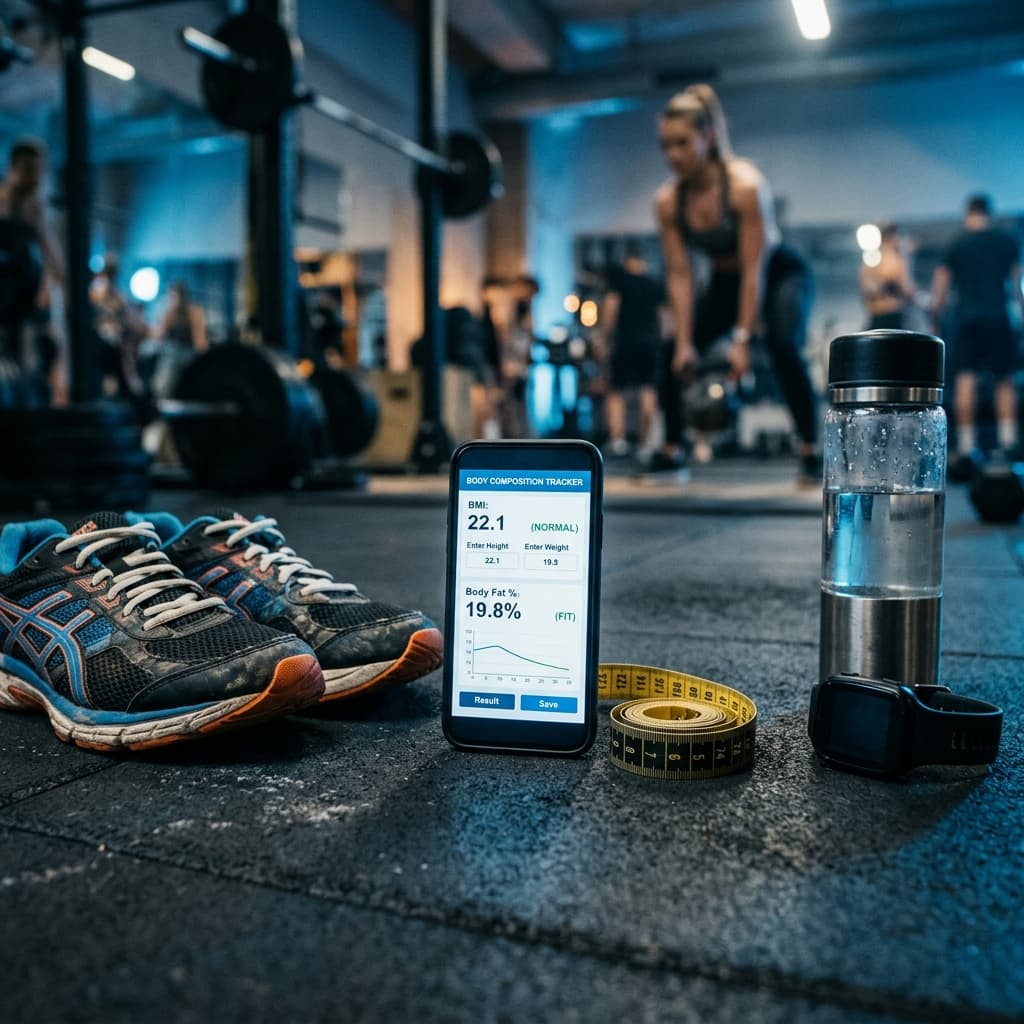
What Is Body Roundness Index?
Body Roundness Index (BRI) was developed by Dr. Diana Thomas in 2013. It uses two measurements — waist circumference and height — to model the body as an ellipse and estimate how "round" it is.
Unlike BMI which only measures weight relative to height, BRI captures body shape and fat distribution. Visceral fat (abdominal fat) is the most metabolically dangerous fat type, and BRI directly reflects it. Use our BRI calculator to find your score using just your waist and height.
Why It Matters: Two people can have identical BMI but very different waist sizes. The person with higher waist circumference has higher visceral fat and greater metabolic risk — BMI can't see this; BRI can.
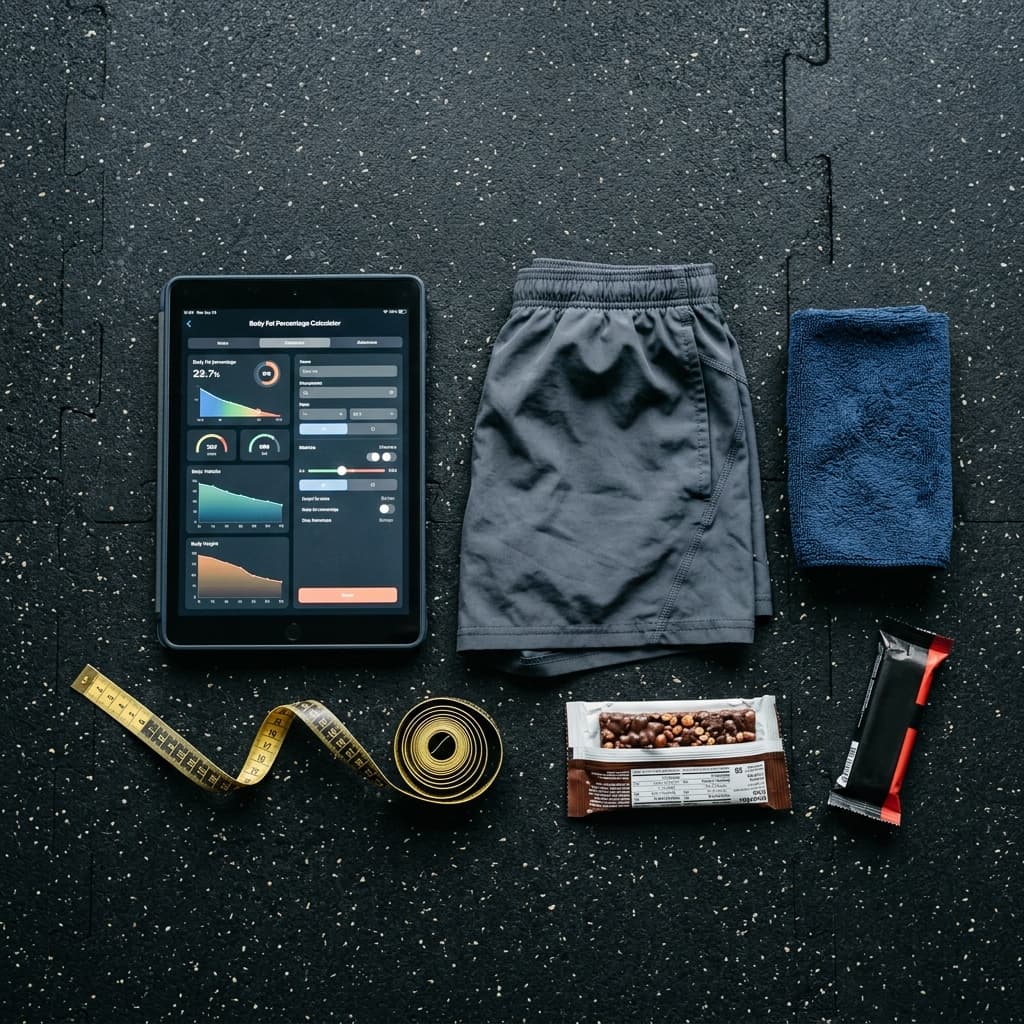
BRI Formula
The BRI formula models the body's cross-section as an ellipse. While it looks complex, our calculator handles the math — just enter your waist and height.
BRI = 364.2 − 365.5 × √(1 − (WC / (2π))² / (0.5 × H)²)
Where WC = waist circumference (meters), H = height (meters)
This formula simply models the body cross-section as an ellipse — a higher score means a rounder cross-section, which correlates with more abdominal fat and higher metabolic risk.
BRI vs BMI: Key Differences
For predicting metabolic risk, BRI outperforms BMI. BRI accounts for body shape and fat distribution, while BMI ignores where fat is stored — which matters enormously for health outcomes.
| Feature | BMI | BRI |
|---|---|---|
| Measurements needed | Weight + Height | Waist + Height |
| Accounts for fat location | No | Yes |
| Muscle vs fat distinction | No | Partial |
| Metabolic risk prediction | Moderate | Better |
| Clinical adoption | Widespread | Growing |
| Ease of measurement | Very easy | Easy |
A muscular person with a small waist will score well on BRI even with a higher BMI — making BRI the fairer metric for athletes and people with high muscle mass.
BRI Score Ranges
BRI scores typically range from below 1 (very lean) to above 7 (high visceral fat). A BRI between 1–3 is generally associated with lean body composition. BRI above 6–7 correlates with increased obesity-related health risks.
| BRI Score | Category | Interpretation |
|---|---|---|
| Below 1 | Very lean | Low body fat, athletic build |
| 1–3 | Lean | Healthy body composition |
| 3–5 | Normal | Average body fat |
| 5–7 | High | Excess abdominal fat |
| Above 7 | Very high | High visceral fat, increased risk |
FAQ
What is Body Roundness Index?
What is a healthy BRI score?
Is BRI better than BMI?
Does BRI account for muscle?
How do I measure waist for BRI?
Author Spotlight
The ToolsACE Team
ToolsACE is an independent platform founded in 2023 by a team of software developers and educators. We build free, privacy-first tools and write guides to help people make better decisions — without sign-ups, paywalls, or data tracking.