The Smart Farmer's Toolkit: How Agricultural Calculators Maximize Yield and Cut Costs
From fertilizer rates to grain bin capacity, discover how precision farming calculators help modern farmers reduce waste, improve yield, and make data-driven decisions every season.

The Math of the Land
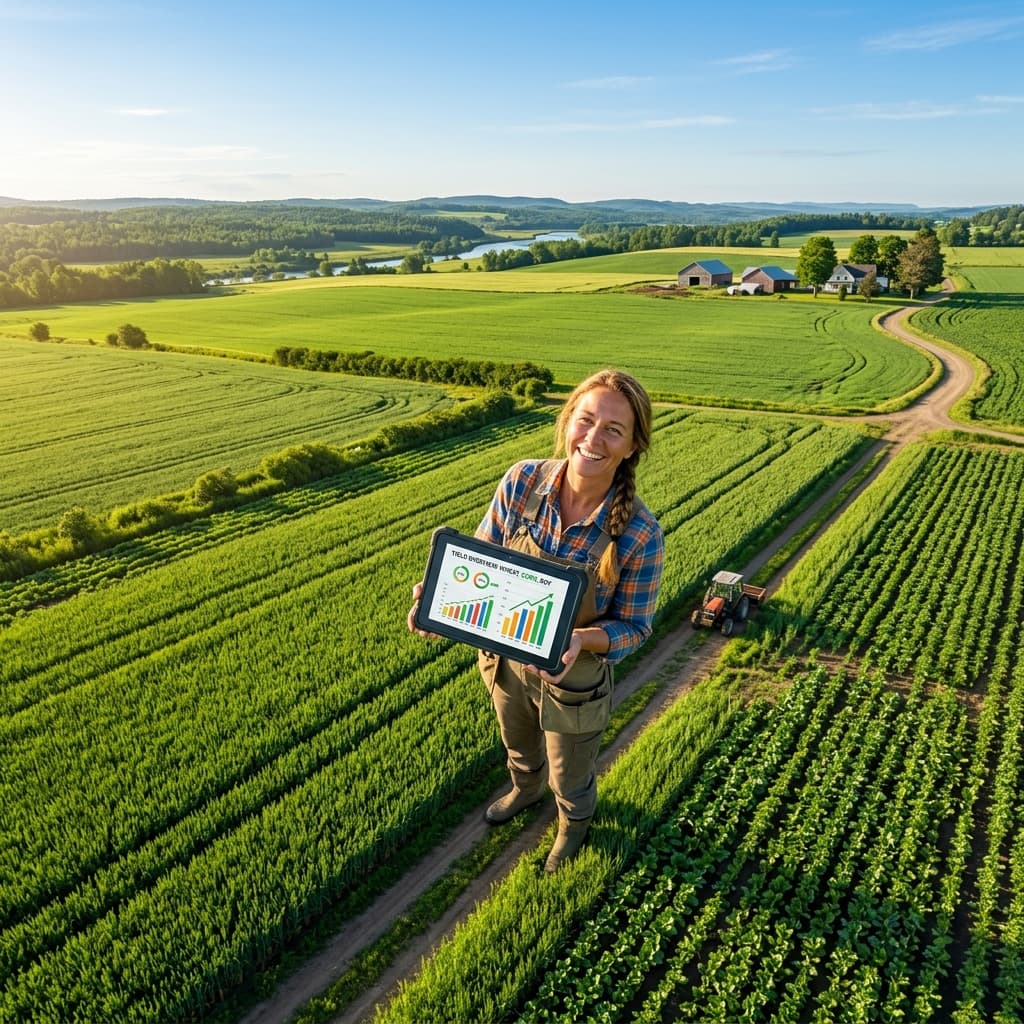
Modern farming is precision work. Over-apply fertilizer and you burn crops, contaminate runoff, and waste money. Under-seed a pasture and you're reseeding next season. Miscalculate grain bin capacity and your harvest ends up on the ground. Every acre of productive farmland runs on numbers — and getting those numbers right is the difference between a profitable season and an expensive one.
The agricultural industry has embraced precision farming technology at the equipment level for years: GPS-guided tractors, yield monitors, variable-rate applicators. But the underlying calculations — how much seed per acre, what fertilizer rate for this soil test result, how many animals this feed supply will carry through winter — still trip up farmers who rely on memory or outdated rule-of-thumb estimates.
ToolsACE has built a complete suite of agricultural calculators covering soil preparation, planting, livestock management, and grain storage. This guide maps each tool to the season and decision where it delivers the most value.
"Farming is biology, chemistry, and physics all working at once. The farmers who win treat every field decision like an engineering problem."
Soil & Planting: Getting the Foundation Right
Yield begins at planting. The two most controllable variables before a seed goes in the ground are fertilizer rate and seeding density — and both require precise calculation based on field area, soil test results, and target yield goals.
- Fertilizer: Our fertilizer calculator converts soil test recommendations (in lbs/acre of N-P-K) to actual product quantities for your field size, accounting for the nutrient concentration of your specific fertilizer blend.
- Grass seed: The grass seed calculator determines the pounds of seed needed for your lawn or pasture area based on grass species and seeding rate recommendations.
- Vegetable seeds: Our vegetable seed calculator calculates seed quantities for market gardens and homesteads, factoring in row spacing, plant spacing, and germination rate.
- Mulch coverage: The mulch calculator determines cubic yards of mulch needed for garden beds at your target depth — preventing the common mistake of ordering by bag count and running short.
- Potting soil: For greenhouse and container operations, our potting soil calculator converts container dimensions to volume, so you order exactly what you need.
Livestock: Feed, Breeding & Health
Livestock operations run on two numbers more than any others: feed conversion ratio and breeding timeline. Get either wrong and you're either burning feed budget or missing your breeding window.
Feed Conversion
Our feed conversion ratio calculator measures how efficiently animals convert feed to body weight — the primary profitability metric for beef, swine, and poultry operations.
Gestation Timelines
Plan farrowing and calving with precision. Our swine gestation calculator and cow gestation calculator give exact due date windows from breeding date.
For horse operations, our horse weight calculator estimates body weight from girth and length measurements — essential for accurate medication dosing and condition scoring without a livestock scale. For mortality tracking and herd health reporting, the animal mortality rate calculator generates the key metric required by most livestock insurance and health certification programs.
Grain & Storage: Know Your Capacity Before Harvest
Running out of grain bin capacity at harvest is one of the most expensive mistakes in row crop farming. Wet grain sitting on the ground deteriorates rapidly. Renting emergency storage at harvest time costs a premium. The fix is calculating your bin capacity before the combine rolls — not after.
- Bin capacity: Our grain bin calculator computes bushel capacity from bin diameter and eave height, with adjustments for peak height and grain type density.
- Weight conversion: The grain conversion calculator converts between bushels, pounds, metric tons, and hundredweight — critical when selling to buyers who quote different units than your scale ticket.
Storage Planning Gap:
Farmers who estimate capacity
23% Face overflow risk
Farmers who calculate first
0 Harvest surprises
Field Efficiency: Acres, Trees & Water
Operational efficiency on a farm comes down to time and coverage. Knowing your equipment's effective field capacity — acres per hour — lets you schedule fieldwork accurately against weather windows. Our acres per hour calculator takes implement width and field speed to give you exact daily coverage capacity.
For orchards and woodlots, the tree height calculator uses shadow length and angle to estimate tree height without climbing — useful for harvest planning, pruning schedules, and timber valuation. For wastewater management on operations with lagoon systems, our wastewater calculator and water potential calculator handle the hydraulic calculations required for environmental compliance reporting.
Seasonal Farm Planning Workflow
Pre-Season: Calculate Inputs First
Before ordering seed and fertilizer, run the fertilizer calculator, grass seed calculator, and vegetable seed calculator for every field and bed. Build your input order from calculated quantities, not last year's receipts.
Mid-Season: Monitor Livestock Efficiency
Run feed conversion ratio calculations monthly for each livestock group. A drop in FCR before clinical signs appear is your earliest warning of a health or feed quality issue.
Pre-Harvest: Confirm Storage Capacity
Two weeks before harvest, run the grain bin calculator for every bin on the operation. If capacity is tight, arrange for additional storage before you need it — not during.
Farming Calculator FAQs
Do these calculators work for small homesteads as well as large farms?
How do I use the feed conversion ratio calculator?
Can the grain bin calculator account for peaked grain storage?
Author Spotlight
The ToolsACE Team
ToolsACE is an independent platform founded in 2023 by a team of software developers and educators. We built ToolsACE because we were frustrated by tools that required sign-ups, tracked your data, or hid answers behind paywalls. Everything we publish is written by people who use these tools themselves — students, engineers, and professionals who understand the problems they're solving.