Healthy Weight Range Calculator: Why Ideal Weight Is a Range, Not a Number
Chasing a single “ideal weight” number ignores frame size, muscle mass, and age. Here’s how to find your real healthy range.

Range vs Number: Why One Number Is Wrong
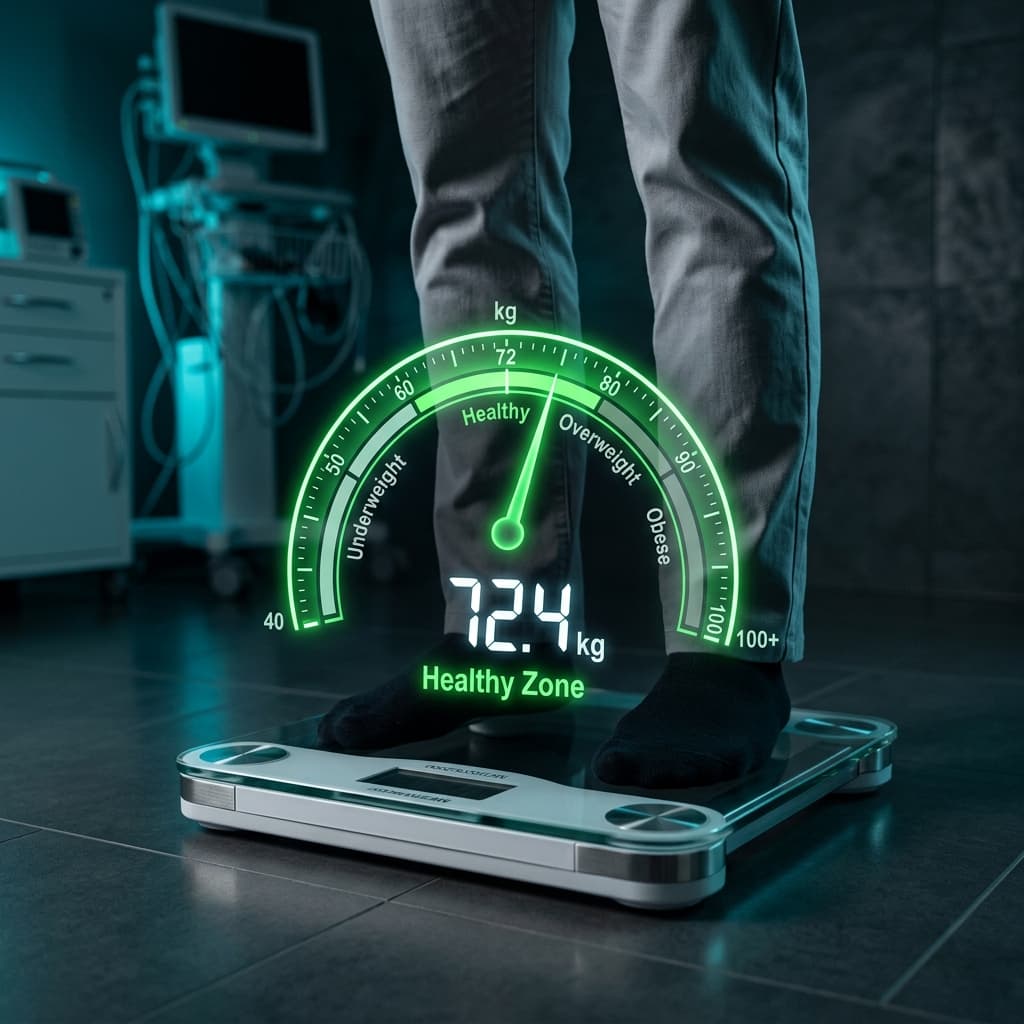
Every online “ideal weight calculator” that spits out a single number is making an error. Two people with identical height, age, and gender can have dramatically different healthy weights depending on muscle mass, bone density, and frame size.
A 5’10” male athlete carrying 180 lbs at 12% body fat is in peak condition. A sedentary person at the same weight and height at 28% body fat is at health risk. The number is the same. The health profile is not.
Healthy weight is a range — typically spanning 20–30 lbs for most adults — not a target number to hit. The goal is to understand where you fall in that range and what factors push your personal optimum up or down.
“The number on the scale is the least informative metric in your health toolkit. Frame size, lean mass, and metabolic markers tell a far more accurate story.”
How to Calculate Your Healthy Weight Range
The most common method is BMI-derived, using the healthy BMI range of 18.5–24.9. For a height of 5’8” (172 cm), the math produces this range:
| BMI | Category | Weight at 5'8” |
|---|---|---|
| Below 18.5 | Underweight | Below 122 lbs |
| 18.5–24.9 | Healthy | 122–164 lbs |
| 25.0–29.9 | Overweight | 165–197 lbs |
| 30.0+ | Obese | 198+ lbs |
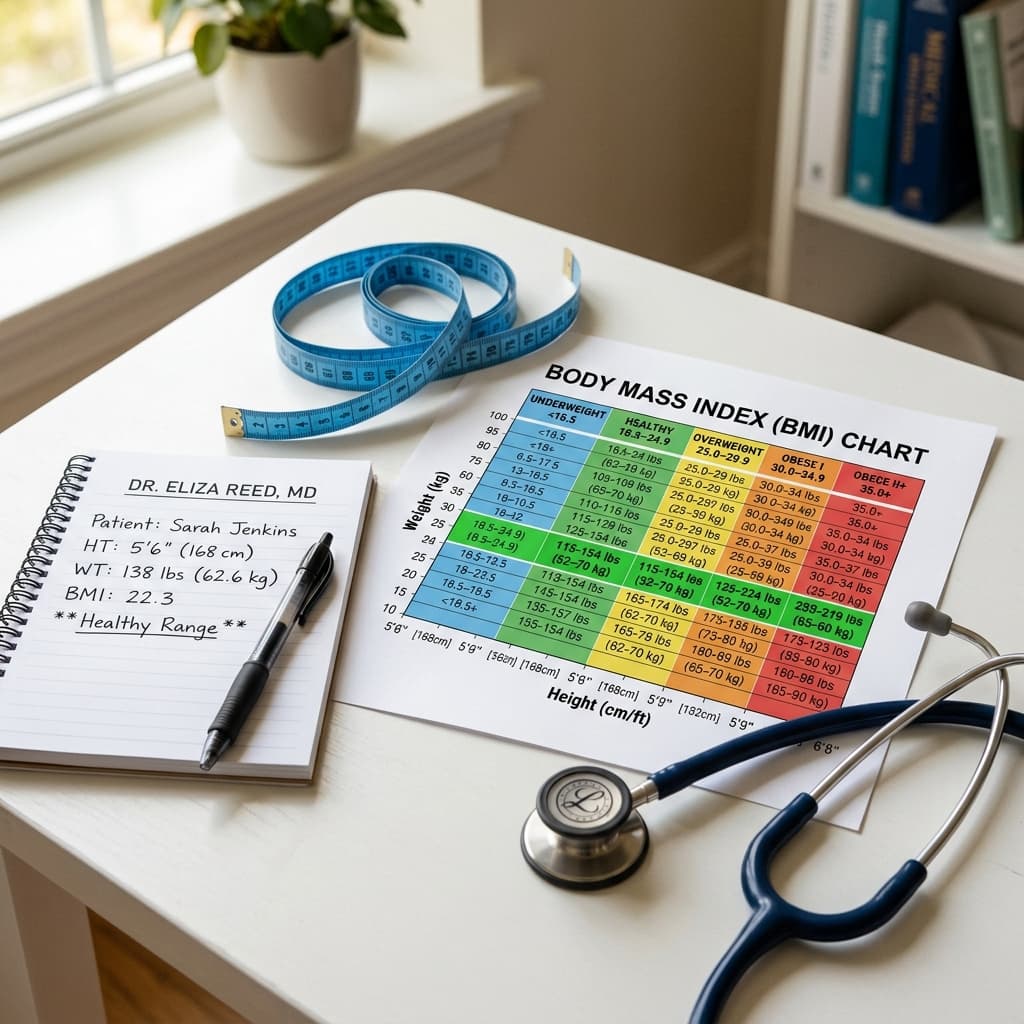
This 42-lb healthy range (122–164 lbs) shows why a single “ideal weight” is meaningless. Frame size and body composition determine where in this range you should aim.
Frame Size: The Hidden Weight Variable
Bone density and skeletal frame account for 5–10 lbs of weight variation at the same height. Wrist circumference is a quick proxy for frame size. Measure your dominant wrist just below the wrist bone.
| Frame Size | Men (wrist) | Women (wrist) | Weight Adjust |
|---|---|---|---|
| Small | Below 6.5” | Below 5.5” | Lower end of range |
| Medium | 6.5”–7.5” | 5.5”–6.5” | Middle of range |
| Large | Above 7.5” | Above 6.5” | Upper end of range |
Frame Adjustment
A large-framed person at the upper end of the BMI healthy range is not overweight. Frame size shifts your personal target by 5–10 lbs within the range.
Personal Target
Use our healthy weight calculator to find your personalized range accounting for height, frame, and composition goals.
A large-framed person at the upper end of the BMI healthy range is not overweight. A small-framed person at the same weight may be. Frame size shifts your personal target by 5–10 lbs within the range.
When Composition Overrides the Range
Highly muscular individuals — athletes, strength trainers, military personnel — often fall into the “overweight” BMI category despite being in excellent metabolic health. Muscle is denser than fat.
If your BMI says “overweight” but your body fat percentage falls in the athlete or fitness range (men 6–17%, women 14–24%), the BMI number is the wrong metric. Use body fat percentage as your primary health indicator instead.
BMI’s Limitation:
BMI “Overweight”
Misleading for athletes & muscular individuals
Body Fat % + BMI
Full Picture of your true health profile
Conversely, “normal weight obesity” — being at a healthy BMI with high body fat percentage — carries similar metabolic risks to clinical obesity. Normal weight does not equal healthy composition.
Setting a Weight Target Based on Your Goal
Where in the healthy range you should aim depends on what you’re optimizing for. These three approaches apply to different goals:
Performance Goal
Athletes and active individuals should target the middle-to-upper end of their healthy range. Lean mass supports power output, and being too light can reduce strength and endurance.
Health & Longevity Goal
Research suggests the lowest all-cause mortality is associated with a BMI of 22–23 and body fat in the fitness category. This sits in the middle-lower portion of the healthy range for most people.
Aesthetics Goal
Lower body fat percentages (men: 10–13%, women: 16–20%) are associated with visible muscle definition. This typically places weight at the lower-middle of the healthy range.
Frequently Asked Questions
Is BMI an accurate measure of healthy weight?
Does age affect my healthy weight range?
How much weight is healthy to lose per week?
Can I be healthy at any weight?
What is the most accurate way to track progress?
Author Spotlight
The ToolsACE Team
ToolsACE is an independent platform founded in 2023 by a team of software developers and educators. Our editorial team writes, researches, and reviews every article and tool guide on this site. We built ToolsACE because we were frustrated by tools that required sign-ups, tracked your data, or hid answers behind paywalls. Everything we publish is written by people who use these tools themselves — students, engineers, and professionals who understand the problems they’re solving.