The Growth Logic: Why Every Founder Needs a Percentage Calculator in 2026
In business, growth isn't a feeling—it's a percentage. Discover how founders use precision math to protect margins, track ROI, and scale with confidence in the data-rich landscape of 2026.


Metrics Over Guesswork
As a founder in 2026, your most dangerous enemy isn't the competition—it's ambiguity. Making decisions based on"how things feel" is a luxury no modern business can afford. Every pivot, every hiring decision, and every marketing push must be rooted in hard data.
But data alone isn't enough. You need the ability to interpret that data instantly. When you're in the middle of a pitch or a strategy meeting, you can't afford to fumble with complex formulas. You need growth logic.
At ToolsACE, we believe your tech should be your secret weapon. That's why we're obsessed with precision. Our Percentage Calculator isn't just a math tool; it's a productivity hack designed to give you instant clarity. It's your"Pocket CFO"—a tool that turns raw numbers into actionable business intelligence in seconds.
"In the age of AI and real-time data, the winners are those who can process percentages faster than the market moves."
Your Pocket CFO: Managing the Vital Signs
A business has vital signs: revenue growth, churn rate, profit margins, and conversion rates. All of these are expressed as percentages. If you don't know these numbers at any given moment, you don't know your business.
High-performers use percentage calculators to bridge the gap between"big data" and"fast decisions." Whether you're calculating a sudden surge in ad spend ROI or checking if a bulk order discount protects your bottom line, precision is key.
ROI Mastery: The 20% Rule
A classic founder life hack is the 80/20 rule, but in 2026, we focus on the ROI of the 20%. Every dollar you spend should contribute to a measurable percentage of growth. If you can't calculate the return on a specific experiment in seconds, you're likely overspending.
- Ad Spend ROI: Instantly check if your CPA is within margins using the percentage calculator.
- Conversion Optimization: Measure tiny shifts that lead to big revenue — quantify variance with a percent error calculator.
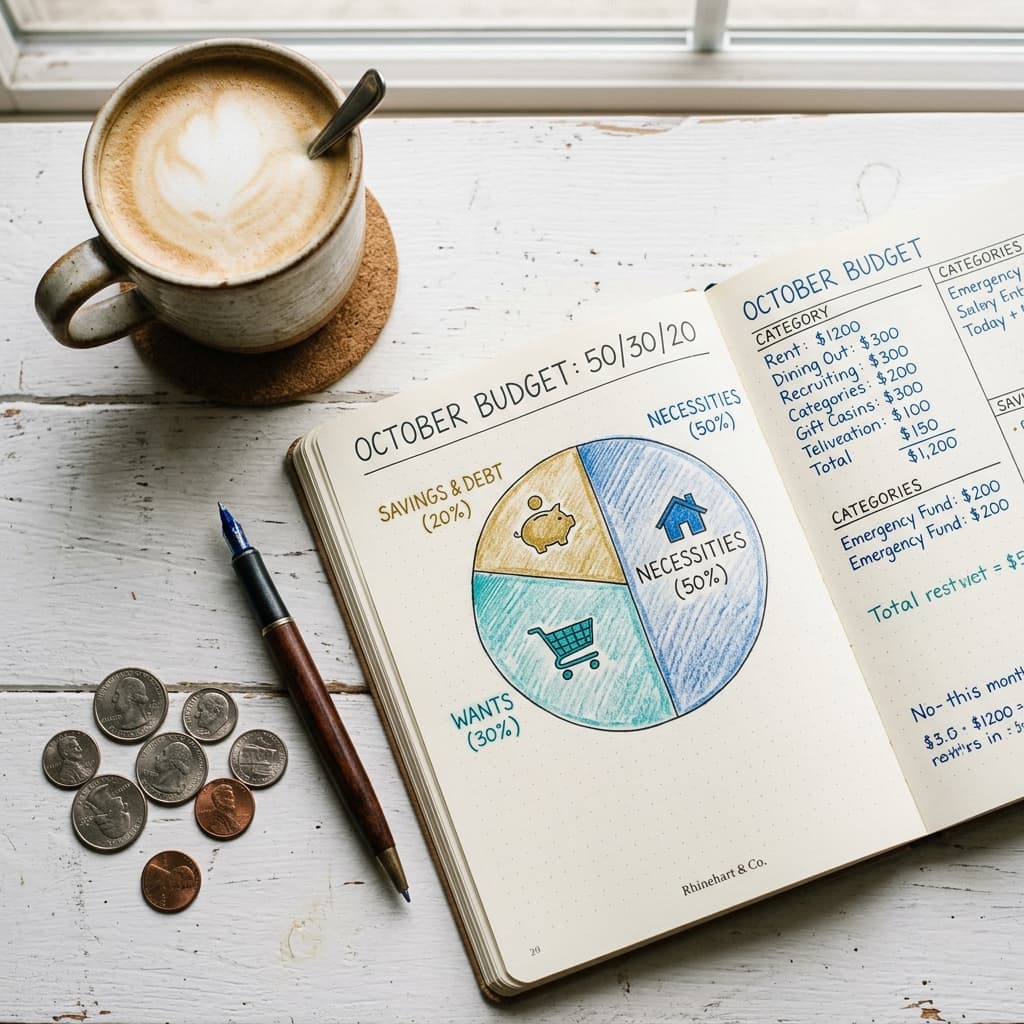
- Resource Allocation: Distribute your budget by performance, visualized with a pie chart percentage breakdown.
Growth Forecasting: Seeing the Future
Linear thinking kills businesses. Exponential thinking, rooted in percentage compounding, builds them. Use a percentage calculator to forecast where your current growth rate will land you in 6, 12, or 24 months.
Trend Analysis
Spot momentum before it fades. Calculate week-over-week changes instantly.
Margin Protection
Ensure every discount and promotion keeps your net profit healthy.
The"Discount Trap": Protect Your Margins
One of the most common mistakes founders make is miscalculating the actual cost of a discount. A"simple" 15% discount on top-line revenue can often slash your bottom-line profit by 50% or more. Don't guess—calculate with the percentage calculator or average-ize multi-product blends using the average percentage calculator.
The Precision Difference:
Guesswork
"Roughly 15%" Uncertainty Gap
ToolsACE Precision
14.62% Exact Margin Knowledge
The Founder's Success Strategy
Audit Your KPIs
List your top 3 growth metrics as percentages.
Test Your Margins
Run your current pricing through our calculator to see the impact of various discount tiers.
Forecast with Data
Update your growth percentage weekly and map out your next quarter based on hard numbers.
Business Math FAQs
What's the best way to calculate ROI for services?
How do I calculate percentage growth vs. percentage point growth?
Can I use this for payroll and tax calculations?
Author Spotlight
The ToolsACE Team
ToolsACE is an independent platform founded in 2023 by a team of software developers and educators. Our editorial team writes, researches, and reviews every article and tool guide on this site. We built ToolsACE because we were frustrated by tools that required sign-ups, tracked your data, or hid answers behind paywalls. Everything we publish is written by people who use these tools themselves — students, engineers, and professionals who understand the problems they're solving.